3 June 2026
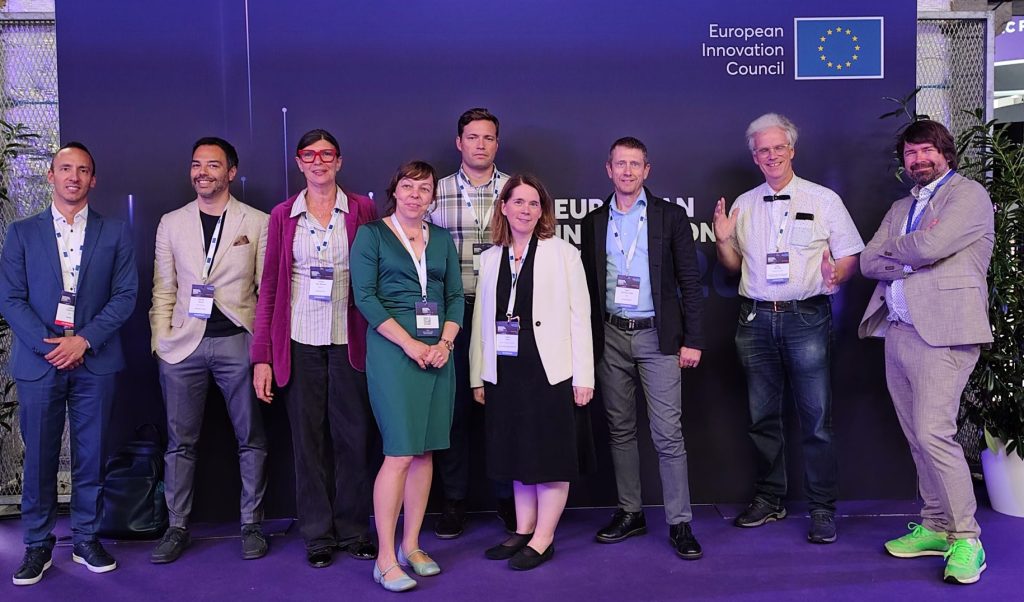
EIC Summit and Booster grant awardees
CEO Peter Olofsson-Sahl at the EIC Summit 2026 for innovation and interaction with the EIC, entrepreneurs and innovations.

Preclinical stage · Anti-infectives
Inicure develops patent-protected small molecule FPR1 agonists that activate the innate immune system to treat infectious disease — and to combat the growing threat of resistant bacterial infections.

The challenge
As traditional antibiotics become less effective and common infections increasingly challenging to treat, new approaches are critical. By developing novel anti-infective compounds, Inicure is targeting infectious disease — addressing a global health threat and a substantial, growing market.
Source: WHO global research report on antimicrobial resistance.
The Inicure approach
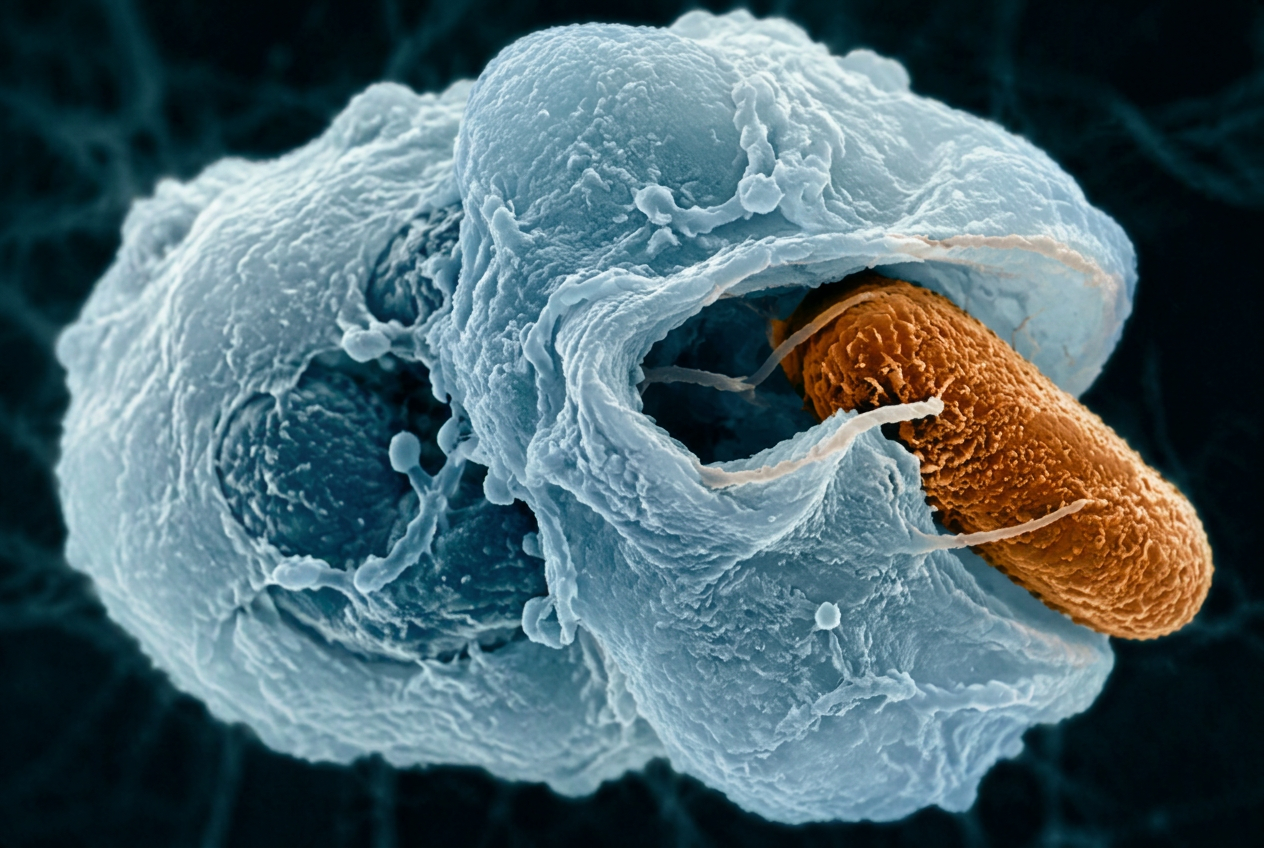
Rather than attacking bacteria, Inicure harnesses the innate immune system. Our compounds selectively activate FPR1 and stimulate the NOX2 pathway, enhancing the immune system's natural production of reactive oxygen species — critical for bacterial killing and for resolving inflammation.
Our small molecules act as potent, functionally selective agonists of the formyl peptide receptor-1 (FPR1) on immune cells.
FPR1 signalling stimulates the NOX2 complex to produce reactive oxygen species (ROS) — a natural mechanism for bacterial killing and inflammation resolution.
Because the compounds do not target bacteria directly, the risk of resistance development is significantly lower.
Supporters


Pipeline
Inicure's lead compounds are in the preclinical stage, moving along a clear trajectory toward first-in-human studies.
FPR1 agonists
Discovery
Completed
Discovery: CompletedEarly preclinical
Ongoing
Early preclinical: OngoingLate preclinical
Not started
Late preclinical: Not startedPhase 1
Not started
Phase 1: Not startedPhase 2 - Topical use
Not started
Phase 2 - Topical use: Not startedPhase 2 - Systemic use
Not started
Phase 2 - Systemic use: Not startedWhy Inicure
The compounds work through the innate immune system rather than attacking bacteria, significantly lowering the risk of resistance development.
Selective FPR1 agonism driving NOX2-produced ROS is a fundamentally new approach to inhibiting and treating infection and inflammation.
Water-solubility and specificity allow applications from infected wounds to severe systemic infections such as urinary tract infections.
Inicure is developing patent-protected compounds, supported by peer-reviewed science and an experienced drug development team.
Preclinical evidence
Our compounds have demonstrated efficacy against resistant pathogens including Escherichia coli (UPEC) and Staphylococcus aureus (MRSA). Because they do not directly target bacteria, the risk of resistance development is significantly lower. Early safety studies indicate no adverse toxicological effects.
Lind S, Dahlgren C, Holmdahl R, Olofsson P, Forsman H. Functional selective FPR1 signalling in favour of an activation of the neutrophil superoxide generating NOX2 complex. J Leukoc Biol. 2021; 109: 1105–1120.
Read the publication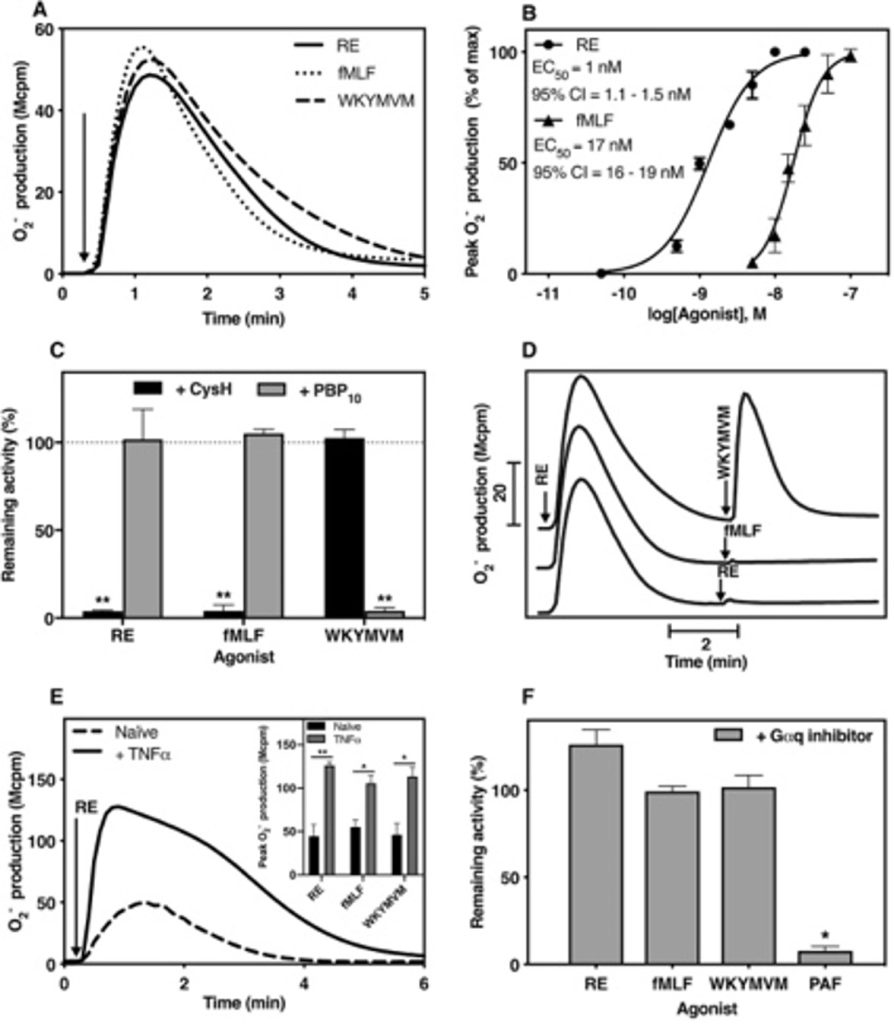
About Inicure
Inicure AB is a spinoff from the autoimmunity-focused company Pronoxis AB. The company develops anti-infectious assets activating the formyl peptide receptor-1 (FPR1) and was founded in 2024 by Peter Olofsson-Sahl, Sara Malcus, Johan Bylund and GU Ventures AB.
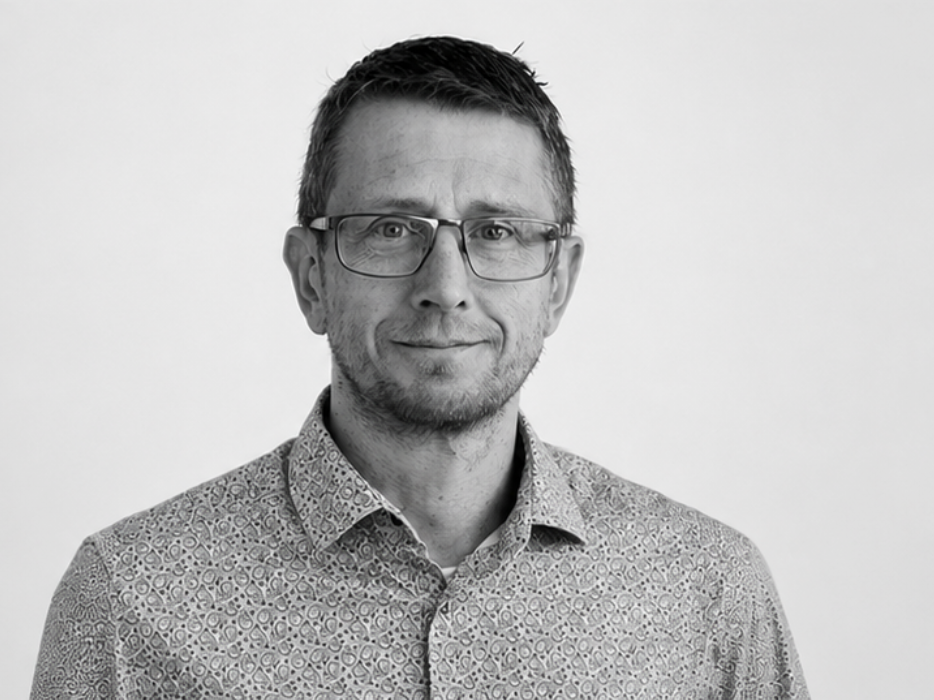
CEO
Preclinical drug development and international project management. Founder of several innovative research companies.
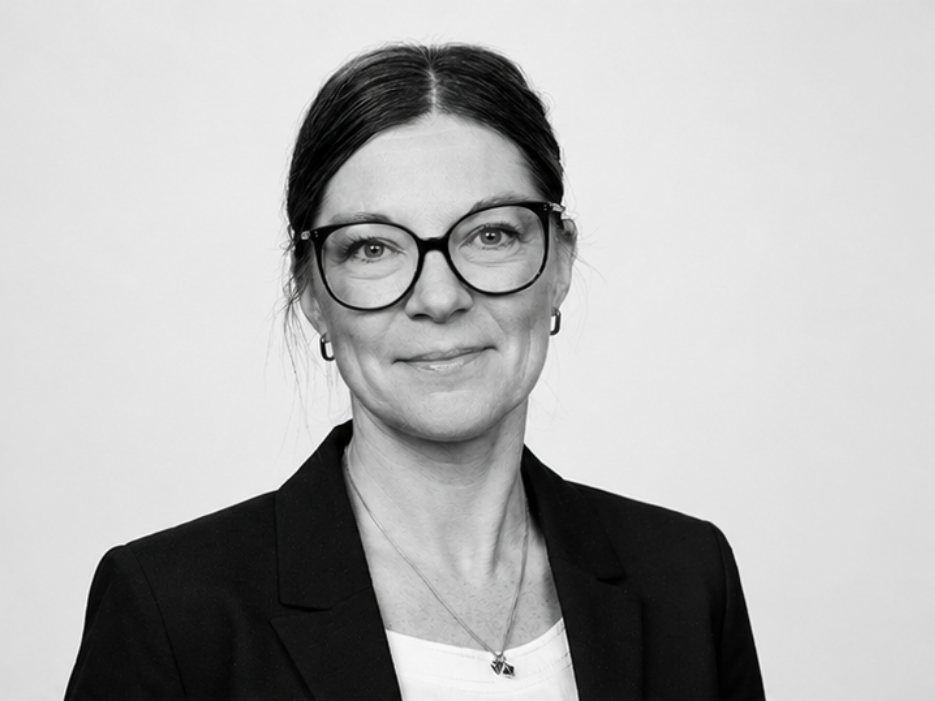
Chair Board of Directors
Business development and investment management, with extensive life science start-up executive and Board experience.
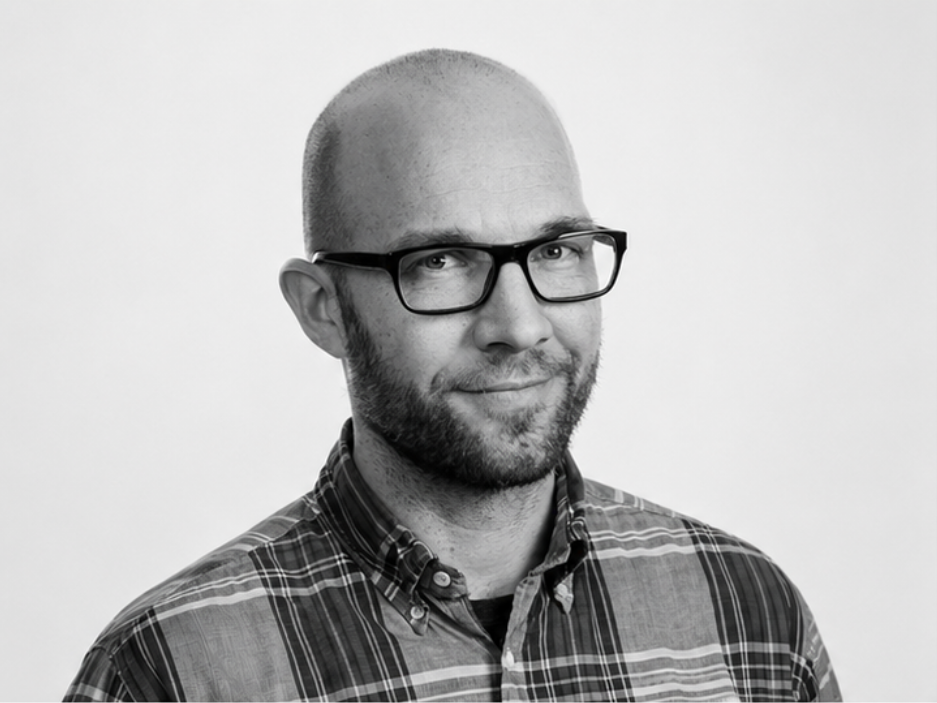
CSO
Professor in Microbiology, focused on immunology and infections including targeting of immunological mechanisms.
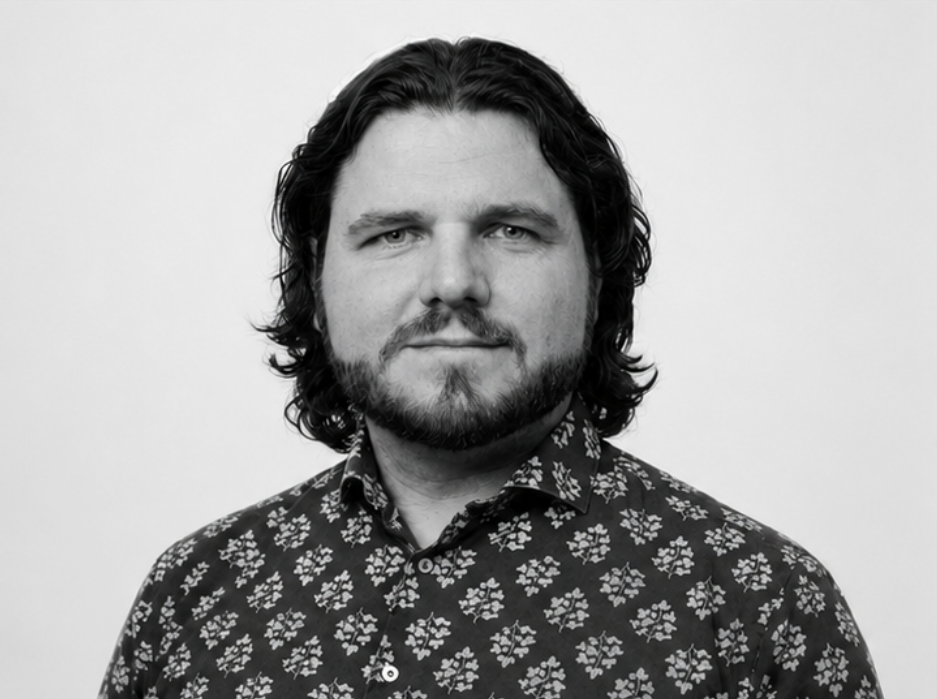
Researcher — Product Development
Immunology and infection biology combined with bio-engineering, method development and instrumentation.
News
3 June 2026
CEO Peter Olofsson-Sahl at the EIC Summit 2026 for innovation and interaction with the EIC, entrepreneurs and innovations.
1 June 2026
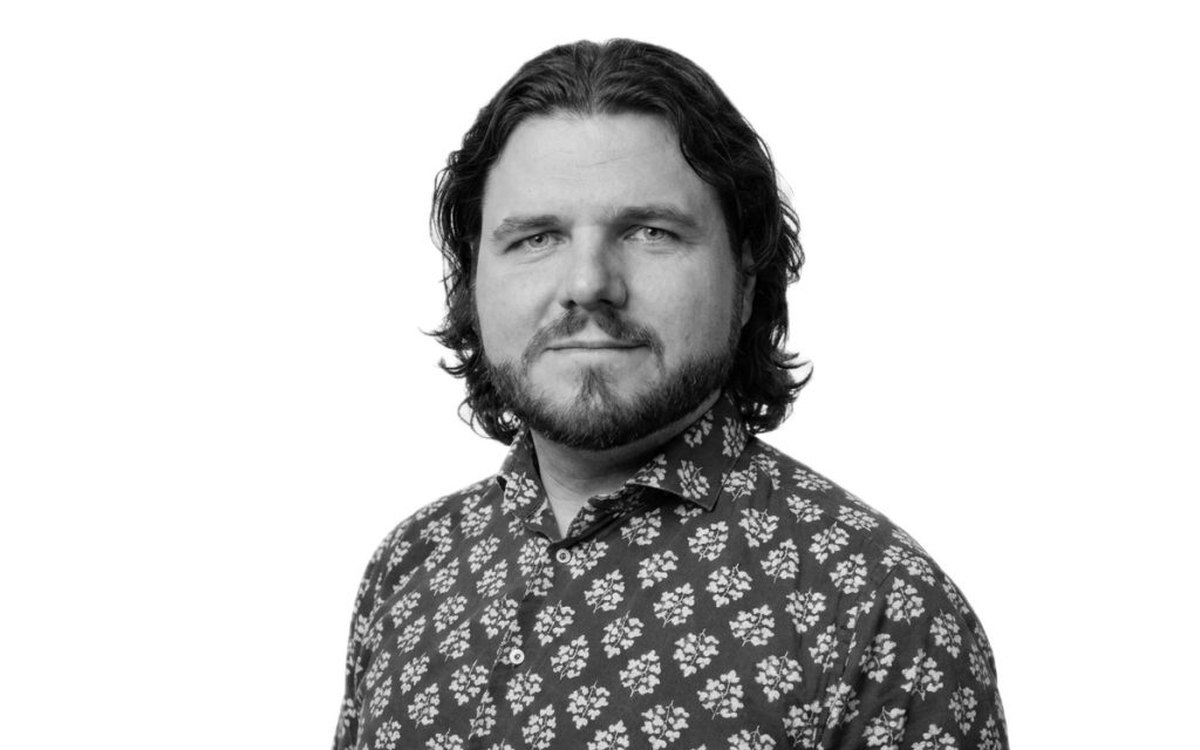
Inicure is growing! We are happy to announce the recruitment of Felix Sanchez Klose to our research department.
4 March 2026
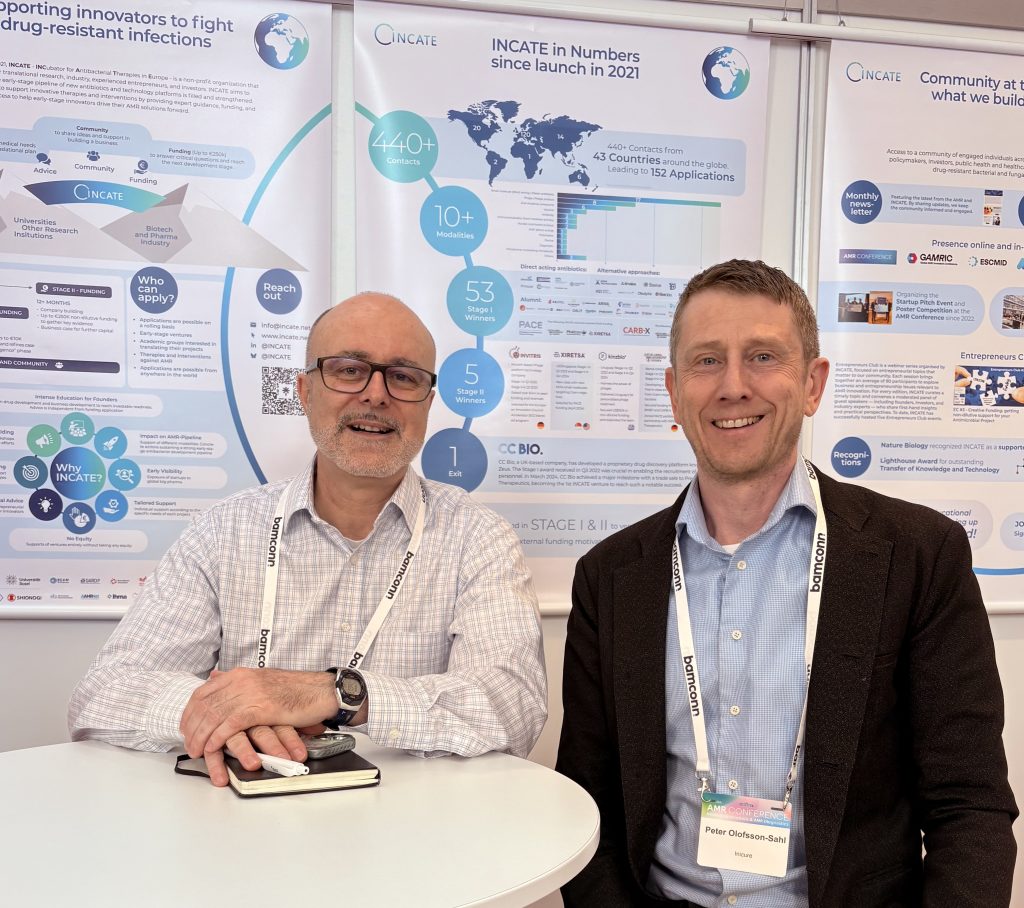
Inicure met research collaborators, service providers and potential future commercial partners in Basel.